Receipts in the Aisle: Why America's Bitcoin Kiosks Document More Than They Exchange
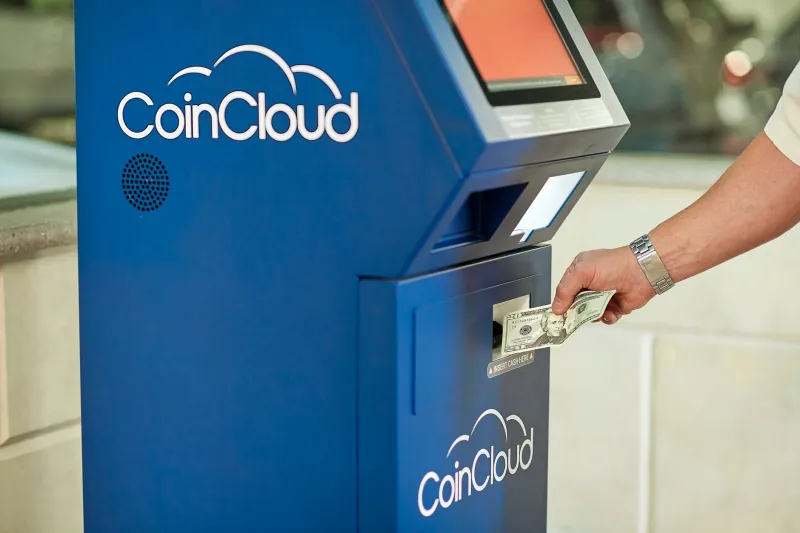
America's cash-to-crypto kiosks occupy an awkward place in the privacy debate. They are marketed as bridges between physical currency and digital assets, yet the typical machine is less a cash window than a compliance terminal. In 2026, the US kiosk market is shaped by federal anti-money-laundering rules, state money-transmission licensing, and a patchwork of local ordinances. Each layer adds a record. The result is one of the most documented on-ramps available to retail users: a transaction that begins with paper currency and ends with a receipt, a camera image, a phone number, and a log entry.
The Kiosk as a Sensor Stack
A bitcoin ATM or kiosk is not a single device. It is a stack of sensors wrapped in a retail enclosure. The bill acceptor counts cash. The ID scanner captures a government document and often a selfie or facial image. The receipt printer produces a customer copy. The transaction software logs amounts, fees, timestamps, and machine identifiers. The machine itself may sit inside a convenience store, gas station, or check-cashing outlet with its own cameras, point-of-sale systems, and access logs.
That physical context matters. A cash withdrawal from a bank teller is also recorded, but a kiosk transaction combines financial data with a retail surveillance environment. The user is seen entering, standing at the machine, and leaving. In some locations, the camera view extends to the parking lot. The cash is anonymous in isolation; the act of converting it at a monitored terminal is not.
The Receipt Is a Database Entry
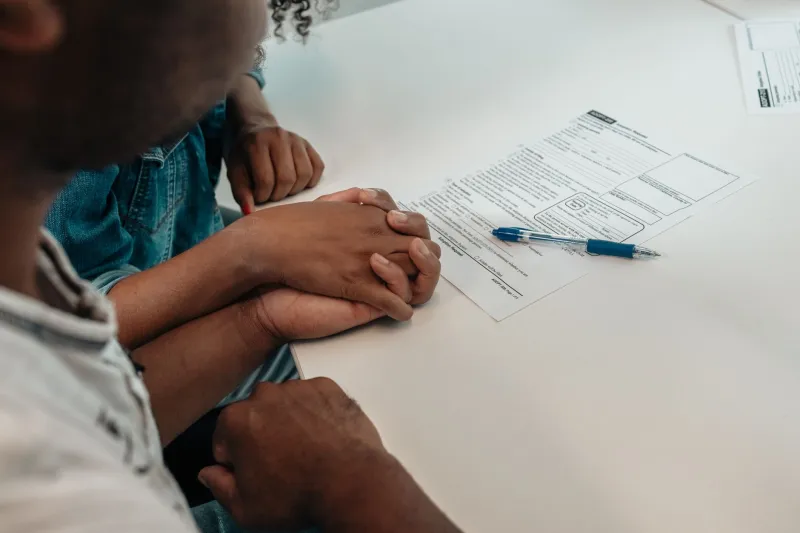
Many US jurisdictions require kiosks to issue receipts, display fee disclosures, and warn customers about fraud. These rules are generally well intentioned. They give consumers a record to dispute transactions and give regulators a way to examine a market that has attracted scams. But the receipt is also a visible reminder of a less visible fact: the transaction has already been copied into a database.
A paper receipt typically includes the transaction amount, fees, date, time, and a reference number. The corresponding database row may include far more: the scanned ID, the phone number used for verification, the kiosk location, the cash amount, and the wallet address that received the digital assets. The receipt is not the record. It is the customer-facing surface of the record.
Phone Numbers and Store Cameras
Phone verification is common at US kiosks. A number is easy to collect and easy to justify as a fraud-prevention measure. It is also a powerful identifier. In the United States, a mobile number is usually tied to a carrier account, a billing relationship, and a device. It can be used to correlate activity across services even when names and addresses differ.
Store cameras add another layer. They capture faces, clothing, companions, and vehicles. They can establish a timeline that matches the kiosk log. A user who pays cash may believe the transaction is detached from their identity, but the camera and the phone number can reattach it quickly. The machine does not need to know who the user is if the surrounding environment can answer the question later.
State Reporting and the Paper Trail
State legislatures have taken a growing interest in kiosk regulation. Some states impose transaction limits, fee caps, and mandatory fraud warnings. Others require reporting to regulators or specific retention practices for operators. The details vary, but the direction is consistent: more documentation, more oversight, and more records.
This is not an argument that fraud prevention is unnecessary. Crypto kiosks have been used in scams, and regulators have a legitimate interest in consumer protection. The privacy consequence, however, is cumulative. A user may face an ID threshold at one amount, a phone check at another, and a receipt requirement at every step. Each requirement is defensible in isolation. Together they make the kiosk one of the least private ways to acquire crypto in the United States.
What Privacy-Conscious Users Can Realistically Do
The first step is to stop treating a kiosk as an anonymous cash window. If privacy is a priority, a machine that requires an ID scan, a phone number, and a receipt is not the right tool. That conclusion is not about evading the law. It is about recognizing that some on-ramps are structurally incompatible with data minimization.
A regulated exchange will also collect identity data. The difference is that users can compare retention policies, avoid unnecessary support contacts, and choose platforms with clearer data practices. They can also separate operational identities from personal ones where lawful and appropriate. The kiosk offers little of that flexibility because its compliance design is built into the hardware and the store environment.
DeepKraken's editorial desk treats privacy as an operational discipline rather than a product feature. The kiosk is a useful case study because it makes the trade-off visible. Cash feels private. The receipt, the camera, and the phone check tell a different story. For US users, the lesson is that the on-ramp is part of the privacy architecture. A machine that documents the exchange before the first satoshi moves has already shaped the profile.